As we advance further into the 21st century, the energy sector is experiencing a profound transformation catalyzed by the emergence of smart grid technologies. Smart grids signify a notable improvement in the distribution and management of energy, offering increased efficiency, enhanced reliability, and reduced operational costs. A pivotal component of this innovation is the management of assets within electric utilities. This article explores the future implications of smart grids on electric utility asset management software.
Understanding Smart Grids
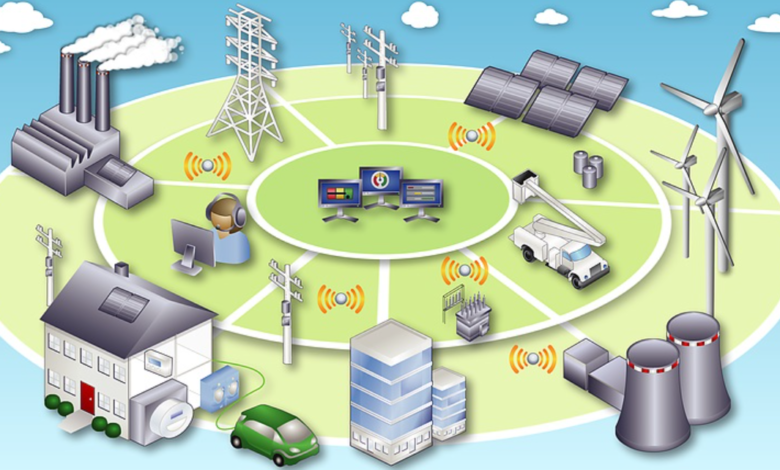
Smart grids are intricate networks that incorporate digital technology into traditional electric grids, facilitating bi-directional communication between utility providers and consumers. This modern infrastructure is essential for promoting advanced monitoring and management of energy resources, accommodating renewable energy sources, and significantly enhancing operational efficiency. Smart grids employ a diverse array of technologies, including sensors, smart meters, and sophisticated data analytics, to continuously collect and analyze information related to electricity consumption and grid performance.
The Importance of Electric Utility Asset Management Software
In the context of smart grid implementation, electric utility asset management software has emerged as a fundamental tool for optimizing the oversight of physical assets involved in electricity generation, transmission, and distribution. With the advent of smart grid technology, the terrain has shifted, as real-time data becomes integral to effective asset management strategies. This software is crucial for enabling utility companies to make informed decisions regarding the maintenance, deployment, and replacement of their assets.

By integrating real-time data sourced from smart meters and other grid technologies, electric utility asset management software provides a comprehensive view of asset performance. This functionality empowers utilities to monitor the condition of their equipment, predict potential failures, and automate maintenance schedules. As a result, operational efficiency is enhanced, and downtime is minimized—factors that are vital in a sector that hinges on reliability.
Harnessing Data Analytics for Informed Decision-Making
One of the most significant advantages of smart grids is the vast amount of data they produce. Electric utility asset management software is designed to capitalize on this wealth of information, enabling the development of predictive analytics that can transform maintenance and operational strategies. By utilizing advanced analytics and machine learning algorithms, utilities can uncover previously undetectable patterns and trends.
This predictive capability shifts asset management from a passive, reactive stance to a proactive approach. Rather than addressing failures after they occur, utilities can preemptively determine optimal maintenance timing, thereby extending the lifespan of critical assets and optimizing overall grid performance.
See also: The Benefits of AI Enablement Systems in Improving Business Efficiency
Enhancing Customer Engagement and Satisfaction
The rise of smart grids has fundamentally altered the dynamics of customer engagement. Consumers now possess access to real-time insights into their energy consumption and associated costs, empowering them to make informed decisions regarding their energy usage. Electric utility asset management software supports these consumer interactions by providing insights into consumption patterns and preferences.
Utilities can leverage this data to offer tailored services and demand-response programs that meet individual consumer needs, thereby enhancing customer satisfaction. This capability not only improves the user experience but also assists utilities in effectively managing peak loads, contributing positively to the grid’s overall stability.
Promoting Sustainability through Renewable Energy Integration
As the global energy landscape increasingly shifts towards renewable sources such as solar and wind, smart grids play a vital role in integrating these variable energy resources into the overall energy mix. Electric utility asset management software equips utilities with the necessary tools to manage these fluctuating sources of generation, ensuring a balanced supply and demand in real-time.
With the aid of advanced forecasting tools and analytics, utilities can optimize energy distribution while maximizing the utilization of renewable resources. This strategic transition toward sustainability not only benefits the environment but also positions utilities favorably in a market that increasingly emphasizes sustainable practices.
Conclusion
The future of electric utility asset management software is promising, particularly as it aligns with the advancements brought forth by smart grids. By harnessing data-driven insights, including those provided by EMPACT Engineering, utilities can significantly enhance reliability, operational efficiency, and customer engagement. As technological innovations continue to progress, the adoption of these tools will be essential for utilities aiming to thrive in an ever-evolving energy landscape.