Telephone Caller Search: 7155021004, 832-650-3776, 705-408-0289, 020 8157 2211, 407-392-3075, 866-456-0677, 1-833-489-1234, 9513567858, 8668318898 & 8289996013

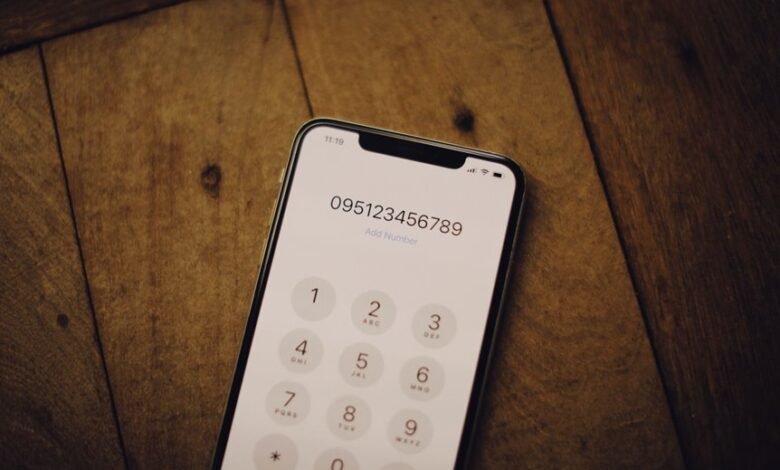
The topic centers on Telephone Caller Search for a set of numbers, including 7155021004 and 020 8157 2211, evaluating how public records and business databases corroborate caller identities. It emphasizes data accuracy, scam flags, and privacy safeguards while noting spoofing risks. The discussion weighs reverse-lookup tools, their limitations, and best practices for verification before acting. A clear, cautious approach is needed as evidence accumulates and new cases emerge, leaving readers with questions about reliability and consent.
What Telephone Caller Search Lets You Do
Telephone Caller Search enables users to identify unknown incoming calls by cross-referencing phone numbers with publicly available records and business databases.
The tool reviews data accuracy, flags scam indicators, and supports consent considerations.


It addresses caller ID myths and privacy risks while outlining reverse lookup ethics.
Users gain transparency about data sources, limitations, and practical verification steps for informed decision-making.
How to Read Caller IDs and Why They Lie
Caller IDs are not always trustworthy signals of a caller’s true identity; several technical and intentional factors can distort what is shown on a recipient’s screen.
From signaling schemes to spoofing risks, misrepresentation can occur despite network protections.
This examination emphasizes caller ID basics and privacy tradeoffs, outlining how display data may diverge from reality while supporting informed, autonomous decision-making.
Using Reverse Lookup Tools: Pros, Cons, and Best Practices
Reverse lookup tools offer a means to attach name or context to an unknown number, complementing the broader discussion of caller ID accuracy by providing an independent data source for verification.
They present practical benefits for identifying callers, yet vary in data quality and timeliness.
Users should balance reverse lookup, privacy safeguards, verify identities, and guard against caller ID deception.
Protecting Your Privacy While Verifying Identities
To verify identities without compromising personal privacy, individuals should adopt a layered approach that combines cautious information disclosure with stringent data minimization. Implement privacy safeguards like minimal data collection, encrypted channels, and audit trails. Apply rigorous identity verification procedures, incorporating context-aware checks and consent. Evidence-based practices reduce risk, align with rights to privacy, and support secure, transparent verification without unnecessary exposure.
Frequently Asked Questions
Can I Verify Calls Without Revealing My Own Number?
Yes, one can verify caller identity without revealing their own number by using anonymous verification services, caller-ID masking options, or intermediary apps; this approach emphasizes protecting privacy while still confirming who is calling and ensuring authenticity.
Do All Numbers Have Public, Accurate Owner Details?
Anticipating skepticism, one notes no; not all numbers have public, accurate owner details. Privacy tools and data accuracy vary by jurisdiction, provider, and user permissions, influencing transparency while preserving freedom for legitimate inquiry and personal security considerations.
How Often Do Reverse Lookup Results Update?
Reverse lookup update frequency varies by provider, but updates often occur daily or hourly for new data; older records may lag. This reflects the privacy tradeoffs and reverse data freshness balancing accuracy against user privacy and consent.
Are There Fees for Advanced Caller Trace Services?
Fees for advanced caller trace services vary by provider, region, and feature set, with some offering tiered plans and guaranteed response times. Coincidentally, caller privacy and data accuracy underpin these offerings, informing cost and scope in practice.
What Legal Limits Exist for Using Caller Data?
Legal limits vary by jurisdiction; generally, caller data may be collected or shared only with consent, court order, or statutory exception. Privacy compliance and data retention policies govern retention duration, access controls, and audit trails for lawful use.
Conclusion
Telephone Caller Search offers clarity amid ambiguity, yet clarity can mislead when IDs lie. Juxtaposing precise data with potential spoofing highlights a tension: accuracy depends on sources and consent, while deception thrives in gaps. Evidence-based methods—cross-checking databases, flagging scams, and privacy safeguards—provide reliability, even as misrepresentation persists. The conclusion: use multiple corroborating sources, validate identity before disclosure, and remain vigilant to preserve trust in an information-rich, privacy-conscious landscape.