Uncover Unknown Callers With This Phone Record Analysis: 692658952, 911118290, 900622200, 63030301987022, 638444536, 5550686742, 3517247010, 607100199, 662991332 & 917377773

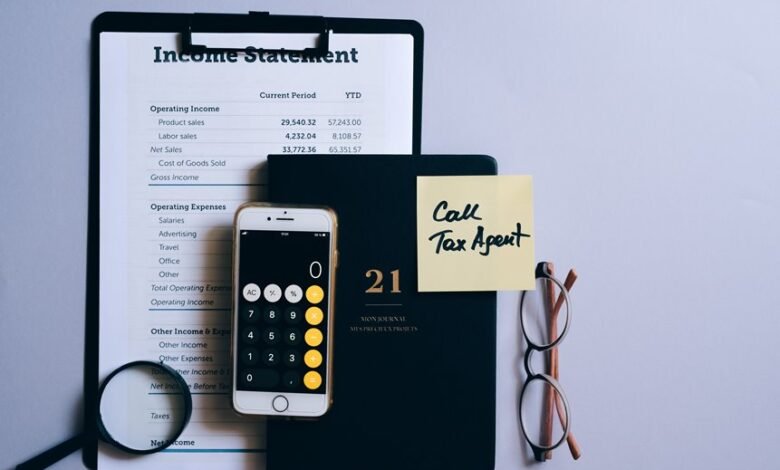
Unknown callers can be examined through careful phone record analysis. The approach focuses on timing, frequency, and call duration to reveal patterns and separate noise from recurring numbers. Metadata offers context for potential spoofing, while geographic and ID inconsistencies raise caution flags. A disciplined, privacy-conscious workflow is essential, with transparent steps and verifiable signals guiding risk assessment. If these signals align, questions arise about origin and intent, prompting further, responsible investigation.
What Your Phone Records Reveal
Phone records reveal a structured record of communication patterns rather than content. The analysis focuses on metadata—timing, frequency, duration, and interlocutor links—suppressing sensitive content yet exposing behavior. Patterns may reveal routine contacts, clusters, and anomalies. This informs risk assessment and freedom-respecting governance. Beware unrelated topics and off topic ideas, which can distract from verifiable signals and legitimate inferences.
Filtering Noise and Spotting Recurring Numbers
Filtering noise and identifying recurring numbers is a critical step in extracting meaningful patterns from call metadata. Noise filtering sharpens signal, reducing false positives, while pattern recognition highlights frequent contacts and timing regularities. Analysts quantify repeats, assess variability, and separate routine activity from anomalies. This disciplined approach supports informed judgment while preserving user privacy and preserving freedom to explore data responsibly.


Tracing Patterns With Metadata and Spoofing Clues
Tracing patterns in call metadata involves a careful examination of timing, duration, and sequence to reveal underlying structures in communication. Analysts identify pattern anomalies that hint at coordinated activity and relay dynamics. Spoofing indicators—failing caller IDs, inconsistent geolocation, and jitter—signal potential deception. The approach remains cautious, precise, and restrained, prioritizing verifiable signals over conjecture to preserve analytical integrity.
Practical Steps to Investigate Responsibly and Safely
The investigation should proceed with clear, documented steps that emphasize safety, legality, and accuracy. Professionals should collect publicly accessible data, verify sources, and maintain chain of custody without improvisation.
Avoid unrelated topic and irrelevant methods; document rationale for each action, obtain appropriate permissions, and respect privacy. Report findings objectively, watch for bias, and prioritize harm minimization over sensational conclusions.
Frequently Asked Questions
Can Phone Records Prove the Caller’s Identity Beyond Doubt?
Phone records cannot prove identity beyond doubt. They may confirm a link to a number, yet many factors exist. Suspicious patterns require corroboration; privacy safeguards remain essential to balance verification with individual rights in analysis.
Are There Legal Limits to Analyzing My Own Call Data?
Are there legal limits to analyzing my own call data? Privacy compliance dictates lawful collection, data minimization guides scope, and consumer rights constrain use; individuals may analyze personal records cautiously, transparently, and within jurisdictional boundaries to protect privacy.
How Reliable Are Metadata Patterns for Determining Intent?
Metadata patterns offer limited reliability for inferring intent; results may be probabilistic, not definitive. Unintended consequences arise if misinterpreted, and data ethics require caution, transparency, and respect for individual autonomy within freedom-minded analyses.
What Tools Ensure Privacy While Analyzing Call Activity?
Privacy tools enable compliant analysis; data minimization limits exposure, while encrypted analysis and anonymization protect identities. Some skeptics worry about usefulness, yet careful enforcement preserves freedom, INTACT auditing, and trust during call activity examination.
Could Spoofed Numbers Mislead Investigators in Patterns?
Spoofed numbers can mislead investigators by creating deceptive patterns; thus, analysts should implement robust identity verification and cross-reference metadata, call timing, and network indicators. Spoofing risks demand cautious interpretation and corroborating evidence to maintain integrity.
Conclusion
In the quiet wash of call data, patterns emerged and dissolved, like footprints in mist. The analysis flagged recurring numbers and irregular rhythms, while spoofing cues flickered at the edges. Each datum whispered a cautious possibility: not every anomaly is danger, but every anomaly warrants scrutiny. The method remained restrained, privacy-preserving, and verifiable, turning sparse signals into a responsible map. Yet the final road was uncertain, inviting measured steps, and the next call, perhaps, would confirm or dismiss what lurked in the logs.