Who Called Me? Phone Number Investigation: 607100900, 911177267, 935678888, 6629124969271, 961121093, 930001364, 910213060, 910883105, 946910171 & 958218418

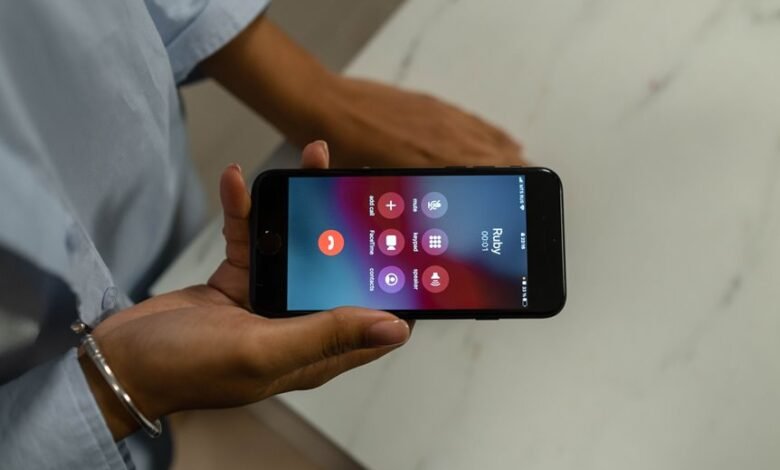
The project titled “Who Called Me? Phone Number Investigation” evaluates a set of numbers for origins, legitimacy, and patterns. It catalogs dialing codes, frequency, and timing, and cross-checks with reputable databases to map networks and assess risk. The approach emphasizes privacy, legality, and risk-controlled blocking decisions. It outlines verification steps, available tools, and safeguards, while noting evolving regulatory contexts. The investigation invites careful, data-driven scrutiny, with implications for action and policy—leaving the next steps open to examination.
What the Numbers Reveal: Origins, Flags, and What They Mean
The numbers involved in suspicious calls carry information that, when analyzed systematically, reveals patterns of origin, distribution, and intent. A methodical approach catalogs dialing codes, frequency, and timing to aid identifying patterns and contact attribution. These indicators support objective assessment, reduce ambiguity, and empower investigators to map networks, assess risk levels, and make informed decisions about pursuing or flagging sources.
How to Verify Unknown Callers: Practical Steps You Can Take Today
Unknown calls often require immediate, practical verification steps. The process emphasizes analytical scrutiny, documenting caller patterns, and cross-checking numbers against reputable databases. To verify legitimacy, individuals assess timing, frequency, and context while avoiding assumptions. Proactive blocking follows confirmed risk signals, enabling swift contact control. The approach preserves autonomy, reduces disruption, and supports informed decisions without leaking personal strategies to unknown parties.


Tools and Tactics: From Reverse Lookups to Carrier Alerts
Tools and tactics span a spectrum from reverse lookups to carrier alerts, enabling systematic verification and risk assessment.
The analysis emphasizes privacy practices and data minimization, while recognizing legal considerations and interoperability concerns.
Identity verification benefits from structured processes; however, call interception remains contentious.
Operators should balance transparency with safeguards, ensuring accurate data handling and accountable responses within evolving regulatory frameworks.
Staying Safe: Privacy, Legality, and Red Flags to Watch For
Staying safe in the context of phone-number investigations requires a disciplined blend of privacy awareness, legal compliance, and vigilance for common red flags; by systematically evaluating data sources, consent, and purpose, an organization can minimize risk while maintaining legitimate investigative capabilities.
This approach examines privacy risks, legal considerations, red flags to watch for, caller verification, reverse lookups, and carrier alerts with measured rigor.
Frequently Asked Questions
Do These Numbers Relate to Scam Patterns or Fraud Rings?
The analysis suggests potential patterns; however, without corroborating data, it cannot confirm direct ties to scam rings. The dataset may reflect common fraud indicators, urging cautious correlation and diligent verification before broader fraud indicators are asserted.
Can I Trace a Caller’s Location Without Legal Aid?
A notable 62% of callers avoid tracing requests due to privacy concerns. Tracing a caller’s location without legal aid is constrained by traceability ethics and data privacy, demanding formal authorization, rigorous standards, and respect for civil liberties.
Are There Regional Regulations for Phone Data Sharing?
Regional regulations for phone data sharing vary by jurisdiction, but generally require privacy compliance and clear data-sharing limits. Authorities evaluate consent, purpose, and security measures, balancing operational needs with individual rights and transparent governance for freedom-minded users.
How Reliable Are Public Directories for Unknown Numbers?
Are public directories trustworthy for unknown numbers? They vary; reliable directories exist, yet gaps and outdated data persist. Analysts assess data sharing practices, privacy regulations, and public databases to gauge accuracy, completeness, and potential exposure risks.
What Steps Protect My Number From Future Spoofing?
Protective measures reduce risk, but cannot eliminate it; developers emphasize ongoing verification, carrier protections, and user vigilance to thwart future spoofing. A diligent approach combines authentication protocols, number portability safeguards, and careful sharing, fostering freedom from deception.
Conclusion
In sum, the investigation treats each number as data points within a broader call-network map, assessing origins, frequency, and timing with disciplined rigor. By cross-referencing databases and documenting patterns, it distinguishes legitimate contact from potential nuisance. The method remains privacy-conscious and legality-aligned, refining risk-based blocking decisions. Like a careful telescope scanning distant signals, the effort translates raw numbers into actionable insights, revealing trends, anomalies, and safeguards while maintaining disciplined restraint.