Unknown Caller Information Report: 6629125179292, 965272287, 604132803, 651007604, 912918890, 633210739, 933961073, 943124280, 919613170 & 1171060148

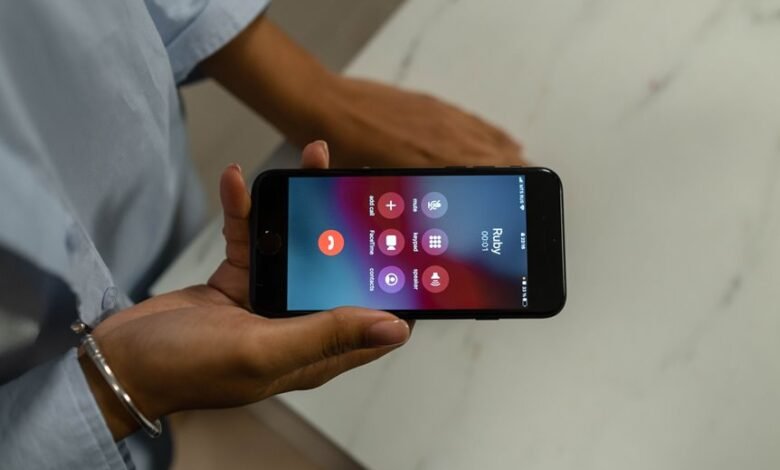
The Unknown Caller Information report assembles a data-driven snapshot of several numbers, emphasizing metadata signals over definitive conclusions. It highlights privacy safeguards, cross-verification with public records, and non-intrusive analysis to identify patterns, timing, and provenance. Red flags are weighed with context, avoiding overreach. The report stresses transparent interpretation and modular governance to sustain trust. A cautious path forward invites scrutiny and disciplined investigation, with stakes in consent and responsible reporting guiding the next steps.
What This Unknown Caller Data Reveals
Unknown Caller Data Reveals a pattern of recurring characteristics and behavioral signals that can inform cautious assessment rather than definitive conclusions.
The analysis notes data patterns across identifiers, while emphasizing metadata insights that may suggest trends without declaring certainty.


Privacy safeguards remain essential, guiding interpretation.
Outreach ethics shape how findings are communicated, ensuring responsible use and protecting individuals from unwarranted inference or intrusion.
How to Investigate Each Number Safely
To investigate each number safely, practitioners should apply a structured, non-intrusive approach that prioritizes privacy and verifiability.
The process emphasizes documenting unknown patterns, cross-referencing public records, and validating sources while maintaining strict outreach practices.
Privacy safeguards prevent data overreach.
Unknown caller data is assessed transparently, ensuring consent where possible and avoiding assumptions, enabling careful, freedom-respecting analysis.
Patterns and Red Flags in Caller Metadata
Patterns and red flags within caller metadata merit a disciplined, data-driven assessment.
Unknown caller indicators merit careful scrutiny, as metadata patterns can reveal timing, sequence, and provenance trends.
Red flags emerge through inconsistent origins, anomalous dialing gaps, or repetitive bursts.
Indicators must be weighed against context; cautious interpretation avoids overreach while still enabling informed discernment about potential risk or misuse.
Practical Privacy and Outreach Safeguards
In practical terms, privacy and outreach safeguards for unknown callers require a disciplined, risk-aware approach that prioritizes user protection while enabling legitimate communication. The analysis emphasizes privacy risks, balanced outreach strategies, and stringent security considerations.
It reviews data aggregation implications, clarifies consent boundaries, and supports transparent disclosure. Safeguards advocate modular controls, ongoing auditing, and responsible data minimization to sustain user autonomy and trust.
Frequently Asked Questions
Can Caller Data Identify a Specific Person or Business?
Caller data alone cannot reliably identify a specific person or business; privacy implications persist. Data accuracy, caller ID limits, and metadata errors complicate tracking legality. Reporting scams and vigilant monitoring mitigate suspicious activity while respecting privacy.
How Accurate Are Reverse Lookup Results for These Numbers?
The accuracy of reverse lookup results varies; independent accuracy checks reveal gaps. Metadata pitfalls may inflate confidence. Overall, data should be interpreted cautiously, as identifiers can be outdated, incomplete, or correspond to shared or spoofed information rather than individuals or businesses.
Are There Legal Limits to Tracking Unknown Callers?
Legal limits exist; tracking unknown callers is constrained by privacy and consent laws. The scope varies, with metadata accuracy and potential misidentifications. Caller data and reverse lookup must respect reporting suspicious activity while avoiding overreach and unlawful surveillance.
What Are Common Misidentifications in Metadata Analysis?
Misidentifications in metadata analysis arise from misleading metadata and ambiguous identifiers, challenging data verification. Unknown caller privacy complicates assessment; careful cross-border compliance and awareness of caller ID spoofing reduce errors, yet vigilance remains essential for accurate, freedom-respecting conclusions.
How Can I Report Suspicious Activity From These Numbers?
Reporting suspicious activity can be done via official channels such as your carrier, local law enforcement, and national cybercrime desks. The anecdote: a whistleblower’s tip became a case when data privacy was preserved, not violated.
Conclusion
The data presents a cautious portrait of unknown callers, where coincidental overlaps—timestamps, geolocations, and sequencing—suggest patterns without asserting certainty. Each metric aligns with ordinary telecom artifacts, yet none confirms intent. A coincidence of bursts and irregular origins warrants disciplined cross-checks with public records and consent-respecting outreach. The conclusion remains provisional: patterns emerge only through non-intrusive verification, modular governance, and transparent reporting, ensuring trust without overreach.