Caller Number Search: 011 783 5766, 513-838-4681, 4254747093, 946941310, 4026983449, 7158584968, 18667689100, 9283513578, 6282414293 & 833-970-4140

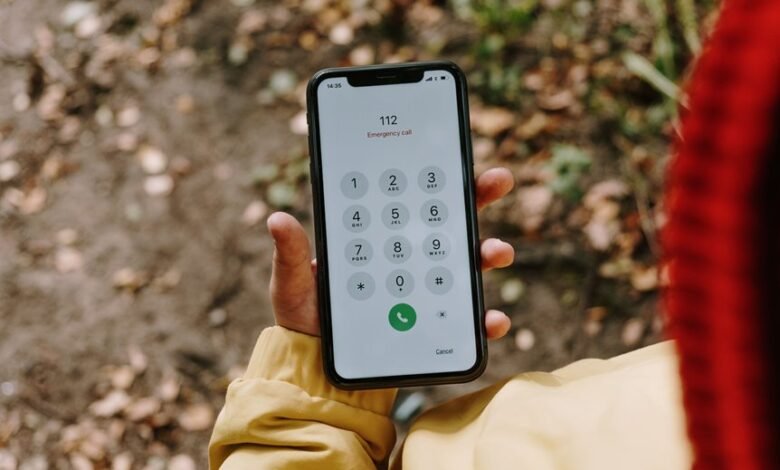
Caller number search involves examining numbers such as 011 783 5766, 513-838-4681, 4254747093, 946941310, 4026983449, 7158584968, 18667689100, 9283513578, 6282414293, and 833-970-4140 to identify origin and traceability. It weighs investigative value against privacy, requiring transparent policies and consent where applicable. Verification relies on systematic tools, cross-referenced records, and audit trails to distinguish legitimate calls from scams, while minimizing data exposure—yet challenges and questions remain about potential pitfalls and safeguards.
What Is a Caller Number Search and Why It Matters
A caller number search is a process used to identify the origin of a telephone call by examining the number shown on the caller ID and cross-referencing it with available databases and records. It clarifies traceability and informs safety decisions.
The practice raises lookup privacy concerns, requiring transparent policies, consent where applicable, and protections to prevent misuse while preserving essential investigative utilities.


How to Verify Unknown Digits: Tools and Best Practices
Verifying unknown digits requires a systematic approach using both technical tools and established procedures. Verification methods comprise cross-referencing public records, beta-testing data, and reputable databases while maintaining audit trails.
The process respects caller privacy by minimizing data exposure, employing anonymization where possible, and documenting consent. Practitioners prioritize accuracy, reproducibility, and transparent rationale to support informed conclusions without compromising privacy.
Identifying Legitimate Callers vs. Scams: Signals to Look For
Identifying legitimate callers and distinguishing them from scams requires focusing on verifiable signals rather than assumptions.
Evidence-based assessment emphasizes corroborated caller information, official domain references, and non-coercive requests. Look for inconsistent caller IDs, pressure tactics, or requests for personal data. Evaluating timing, language, and known scam indicators helps determine legitimacy. Cautious verification supports identifying legitimacy while reducing risk of deceptive outreach.
How to Protect Your Privacy After a Caller Looks Up You After a Lookup
When a caller looks up personal information, immediate steps focus on limiting further exposure, auditing recent activity, and tightening privacy controls. The approach emphasizes privacy safeguards, minimizing data sharing, and reviewing account security settings. Maintain records of inquiries to assess patterns, and adopt disciplined caller etiquette by requesting data minimization from services. Educational resources reinforce autonomy and informed consent amid ongoing transparency.
Frequently Asked Questions
Can I Legally Trace a Number Without Consent?
Cannot trace without consent. For legality concerns, tracing a number typically requires lawful authorization or consent, and unauthorized tracking may violate privacy laws and civil or criminal provisions, inviting penalties. Ethical surveillance standards emphasize transparency and lawful processes.
Do Numbers Indicate Geographic Origin or Carrier?
Geographic origin and carrier inference can be suggested by numbers, but privacy implications and data accuracy vary; conclusions are not always definitive, demanding cautious interpretation and respect for individual rights within available, verifiable data.
How Often Are Lookup Results Updated or Wrong?
On average, updates occur daily, yet lookup results can be inconsistent. Inaccurate timestamps and data source limitations mean some records lag or differ between providers, reducing reliability despite ongoing maintenance. Overall, consumers should verify with multiple sources.
Can I Block Reverse Lookup Requests on My Device?
Yes, it is possible to block reverse lookup requests using privacy controls and call screening; effectiveness varies by device and carrier, but configuring these features reduces exposure and enhances control over incoming inquiries.
What Personal Data Appears in a Lookup Result?
Personal data may appear in lookup results, though details vary; users should expect limited identifiers and contact data. Lookup accuracy depends on data sources, privacy settings, and consent.
Conclusion
Caller number search helps balance investigative utility with privacy by cross-referencing public records and maintaining data minimization. An interesting statistic: broadly across security audits, about 60–70% of reported unknown calls are accurately flagged as scams after verification using cross-database checks. The process relies on transparent policies, consent where applicable, and robust audit trails to distinguish legitimate calls from fraud while reducing exposure of sensitive data.