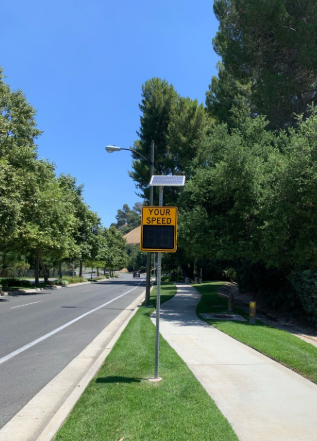
Modern traffic management increasingly depends on technology that helps drivers make better decisions on the road. Speed-limit signs provide important information, but motorists may not always realize how fast they are traveling. A radar speed sign with driver feedback addresses this challenge by detecting approaching vehicles and displaying their actual speed in real time. This immediate visual reminder can encourage drivers to follow posted speed limits and pay closer attention to road conditions.
The Role of Driver Feedback in Road Safety
Speeding can increase the severity of road accidents and create additional risks for pedestrians, cyclists, and other motorists. Driver feedback signs offer a way to communicate directly with approaching vehicles without requiring drivers to interact with the equipment.
The system measures vehicle speed and displays the result on an electronic screen. Depending on the configured settings, it can provide positive visual feedback for vehicles traveling within the speed limit and warnings for those exceeding it.
This approach can be especially useful in locations where authorities want to improve speed awareness and encourage voluntary compliance.
How Radar Speed Detection Works
Radar speed signs commonly use Doppler radar technology to detect moving vehicles. The radar unit sends out a signal and analyzes the reflected signal to calculate the vehicle’s speed. The measured information is then processed and displayed through the sign’s electronic controller.
The Sinowatcher model operates at 24.125 GHz and supports a speed measurement range of 10–250 km/h. Its standard detection distance is approximately 100 meters, with optional configurations offering 150 or 200 meters.
These specifications allow the equipment to serve different road environments, subject to suitable installation and configuration.
Important Features to Consider
1. High-Visibility LED Technology
Drivers need to recognize displayed information quickly. Bright LED digits help make speed readings visible in different lighting conditions.
The featured model uses red and green LED displays. Green feedback indicates that a vehicle is traveling within the configured threshold, while red feedback and a warning symbol indicate excessive speed. This simple visual communication makes the message easier to understand.
2. Flexible Power Options
Installation locations do not always have convenient access to electricity. Solar-powered configurations with battery backup can help address this issue, particularly on remote roads and temporary traffic projects.
External DC power is another option, depending on the selected configuration. Choosing the appropriate power source can simplify installation and help meet site-specific operating requirements.
3. Customizable Operating Settings
Traffic conditions and speed limits vary from one location to another. Adjustable speed thresholds allow traffic managers to configure feedback according to local requirements.
Some systems also support configurable operating schedules and display symbols. These functions can be helpful near schools, where reduced speed requirements may apply during particular hours.
4. Traffic Data Collection
Beyond displaying vehicle speeds, certain radar signs can record traffic information for later analysis. These records may help authorities identify recurring speeding patterns and evaluate traffic conditions.
Collected information can support decisions about additional signs, road markings, traffic-calming measures, or enforcement activities.
Where Can These Signs Be Installed?
Radar speed signs can be used in a variety of traffic environments:
- School areas: Encourage drivers to reduce speed near school entrances and pedestrian crossings.
- Residential communities: Raise awareness of local speed restrictions in streets shared by pedestrians and vehicles.
- Construction sites: Remind motorists to slow down around temporary road layouts and active work zones.
- Highway approaches: Provide speed information where drivers need to adjust to changing road conditions.
- Commercial facilities: Help manage vehicle movement around warehouses, industrial properties, and private access roads.
The installation should consider traffic direction, available visibility, mounting height, and the applicable speed limit.
Selecting Suitable Radar Speed Equipment
Before purchasing a system, buyers should evaluate radar detection distance, measurement range, LED display size, power requirements, mounting options, and outdoor durability. Data logging capabilities, maintenance procedures, technical support, and spare parts availability should also be considered.
It is important to match the equipment configuration to the project’s actual requirements rather than selecting a model based only on its advertised specifications.
See also: What to Look for When Choosing an AI SEO Agency for Your Business
Conclusion
Radar speed signs with driver feedback provide an effective way to communicate vehicle speed information directly to motorists. Through radar detection, visible LED displays, adjustable settings, and optional traffic data collection, these systems can support speed awareness in many road environments.
When properly selected and installed, they can complement existing traffic management measures and encourage safer driving habits.