Who Called Me? Complete Phone Number Investigation: 902200236, 900668606, 948107248, 648471171, 919975299, 615032911, 914737477, 638282422, 977271651 & 22120000

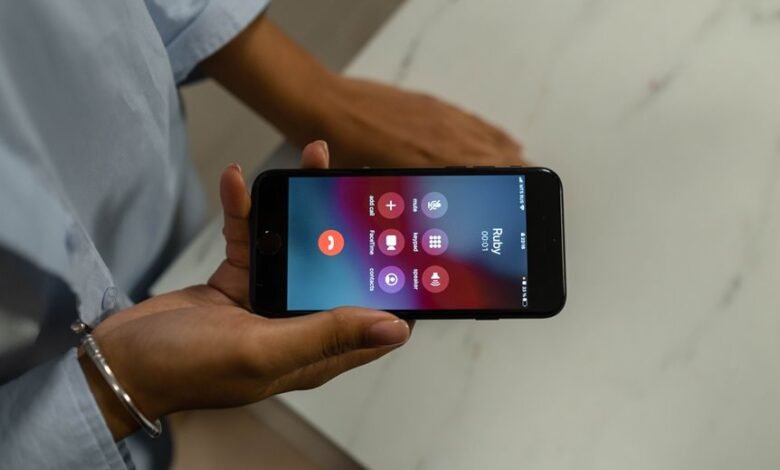
The topic invites a careful, evidence-based look at the numbers listed: 902200236, 900668606, 948107248, 648471171, 919975299, 615032911, 914737477, 638282422, 977271651, and 22120000. Each figure raises questions about origin, intent, and metadata consistency. A systematic approach is needed to assess risk, verify sources, and weigh potential flags. Yet uncertainties persist, and the next steps must balance privacy with practical prevention, compelling closer examination of patterns and sources to move forward.
What These Numbers Might Be Revealing
What these numbers might be revealing is not immediately evident, but patterns in caller ID data can suggest likely purposes behind the calls. The analysis remains cautious and detached, noting potential connections without asserting certainty.
Observers may treat the data as an unrelated topic for broader context, while acknowledging speculative gossip as informal chatter that should not drive conclusions.

How to Trace a Call’s Origin Safely
Tracing a call’s origin should proceed with methodical, verifiable steps to minimize misinterpretation. The process emphasizes legal, ethical boundaries and data protection, balancing inquiry with privacy concerns. Analysts document sources, verify numbers via official channels, and avoid speculative assertions. Respect for caller anonymity remains essential, while transparent rationale supports accountability. When uncertainty arises, pause, reassess, and prioritize non-intrusive verification methods.
Red Flags and Verification Steps for Each Number
The examination moves from general origin verification to a focused assessment of each number, identifying red flags and outlining concrete verification steps.
Analysts evaluate unfamiliar caller IDs for inconsistent metadata, unexpected international codes, or spoofing indicators.
Verification involves call tracing, corroborating contact records, and cross-checking with public databases.
Red flags prompt cautious engagement to support nuisance reduction and responsible information sharing.
Practical Actions to Reduce Future Nuisance Calls
Practical actions to reduce future nuisance calls focus on systematic prevention, mitigation, and verification workflows. Organizations should implement layered screening, real-time anomaly detection, and caller ID authentication while preserving user autonomy. Awareness training minimizes risky interactions. Potential strategy pitfalls include overreliance on single tools and misinterpretation of data. Data ethics considerations ensure privacy, consent, and transparent handling of collected call information.
Frequently Asked Questions
Are These Numbers Linked to Known Scam Campaigns?
These numbers show no definitive public linkage to known scam campaigns, though patterns warrant limitation awareness and ongoing verification; ethical considerations demand cautious attribution, transparent sourcing, and respect for privacy while evaluating potential associations for informed, freedom-loving audiences.
Can Geolocation Identify the Caller’s City Precisely?
Geolocation has limits; it cannot identify a caller’s city precisely in all cases. Geolocation limitations, regulatory reporting thresholds, unknown number privacy, and caller identification considerations require cautious interpretation within an analytical, objective framework.
Do These Numbers Require Regulatory Reporting Thresholds?
Yes, these numbers could trigger reporting thresholds if linked to illegal activity or repeated harassment; regulators may require data retention and notifications, guiding cautious practices while preserving user freedom and minimizing unwarranted surveillance.
What Privacy Rights Apply When Investigating Unknown Numbers?
Unknown numbers trigger cautious privacy rights: data minimization and consent requirements guide investigators, ensuring limited collection and disclosure. A statistic shows most inquiries involve consented data handling; unknown numbers demand enhanced safeguards to respect privacy while enabling lawful investigation.
How Can I Block Future Calls From Similar Prefixes?
Block caller by enabling call-blocking features, block prefixes suspected of fraud, and maintain awareness to track patterns. When dubious activity persists, report scams to authorities; proactive filtering supports personal freedom while reducing intrusive interruptions.
Conclusion
In sum, the analysis remains cautious and methodical, emphasizing corroboration through official records and public databases. Each number’s origin is assessed with risk-aware scrutiny, avoiding leaps in inference. While patterns may hint at intent, definitive conclusions require ethical tracing and verification. The overarching aim is practical prevention and user awareness, not sensational claims. The process, though painstaking, yields a robust framework—like a meticulous compass in a windstorm—ensuring readers stay informed without overreach.